

Natural Stormwater Solutions That Protect Your Property
LIDs are landscaped drainage features designed to capture, slow, and naturally filter stormwater runoff before it enters storm drains. LIDs help improve water quality, reduce erosion, and support compliance with local stormwater regulations.
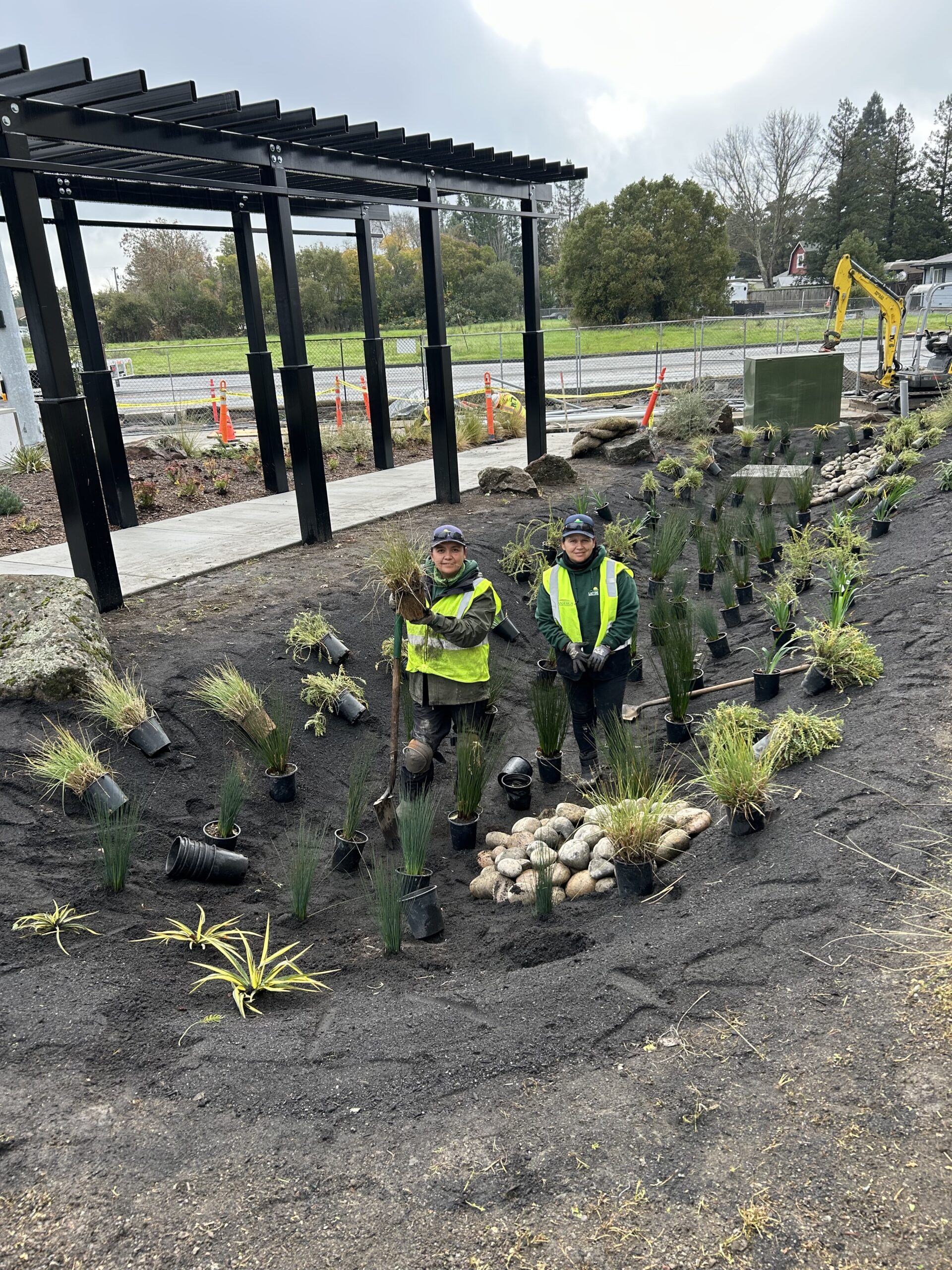
Why Install a LID or Bioswale?
Whether required as part of a development project or added to improve drainage, it provides long-term environmental and property benefits.
Benefits Include:
- Captures and filters stormwater runoff
- Reduces erosion and standing water
- Removes pollutants before water reaches local waterways
- Supports compliance with municipal stormwater requirements
- Creates attractive, low-maintenance landscape features
Protect Your Investment
A LID only works when it's maintained properly. Our RESCAPE certified team helps ensure your LID continues to perform by:
- Removing sediment and debris
- Hand weeding invasive plants
- Selectively pruning vegetation
- Replacing mulch as needed
- Inspecting drainage flow after storms
- Monitoring plant health
Keep Your LIDs and Bioswales Performing Year-Round
Serving Sonoma, Marin, Napa, and Solano counties.
Request a Proposal Call (707) 578-2657Frequently Asked Questions About LIDs and Bioswales
What is the difference between an LID and a bioswale?
A bioswale is one type of LID (Low Impact Development) feature. LID is the broader approach of managing stormwater close to where it falls, and it includes rain gardens, bioretention areas, and permeable surfaces. A bioswale is a shallow, planted channel that slows runoff, filters out pollutants, and lets water soak into the soil as it moves through the landscape.
Are LIDs or bioswales required for properties in Sonoma, Marin, Napa, and Solano counties?
Many Sonoma County cities and surrounding areas require LID features on new development and redevelopment projects above a certain size to meet California stormwater regulations. Property owners are often responsible for keeping those features working and may be subject to inspections. Your local planning or public works department can confirm the requirements for your project, and Landesign can help you plan a compliant solution.
How often does an LID or bioswale need maintenance?
Most LIDs and bioswales should be inspected at least twice a year, ideally before and after the rainy season, and again after major storms. Regular care includes removing sediment and debris, weeding, pruning, replacing mulch, and checking that water drains properly. Landesign’s RESCAPE certified team handles this maintenance for HOAs, commercial properties, and other sites across the North Bay.
What happens if a bioswale or LID is not maintained?
An unmaintained LID or bioswale can clog with sediment, hold standing water, and stop filtering stormwater the way it was designed to. This can lead to flooding, erosion, mosquito problems, and plant loss, and it may put a property out of compliance with local stormwater requirements. Routine maintenance protects both the landscape and your investment.
What plants are used in bioswales and rain gardens?
Bioswales and rain gardens typically use native and climate-adapted plants such as grasses, sedges, rushes, and flowering perennials that can handle both wet winters and dry summers. Their deep roots help absorb water, hold soil in place, and filter pollutants. The right plant mix depends on your site’s soil, sun exposure, and drainage needs.
Does Landesign install new LIDs and bioswales or only maintain existing ones?
Landesign offers both installation and ongoing maintenance for LIDs and bioswales. As a full-service landscape company serving Sonoma, Marin, Napa, and Solano counties, our team can build new stormwater features for development projects and keep existing ones performing year after year. Call (707) 578-2657 or request a proposal to get started.